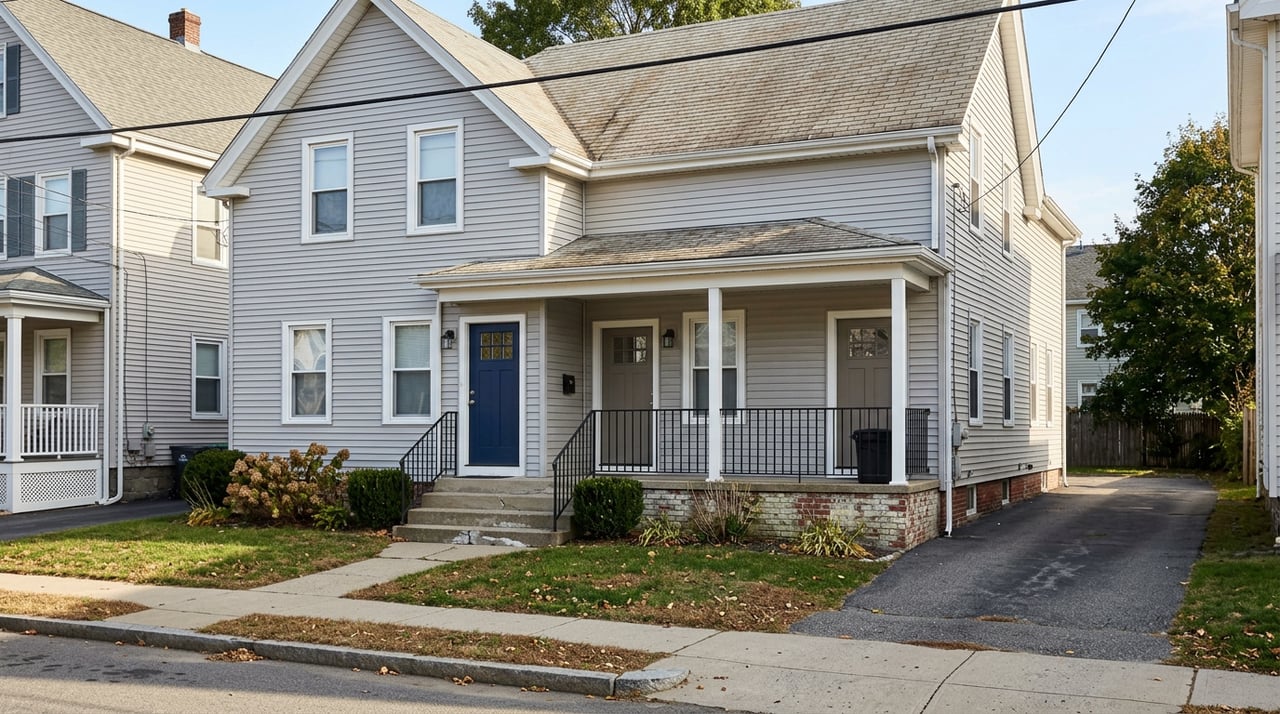
Thinking about buying a duplex, triplex, or fourplex in Albany? The numbers matter, but so do the local details: older buildings, neighborhood rent swings, and a supply pipeline that shifts vacancy. You want a simple, Albany‑specific way to size up a deal with confidence. In this guide, you’ll get clear formulas, realistic rent and expense benchmarks, and a quick worked example so you can compare properties apples to apples. Let’s dive in.
Why Albany multifamily
Albany’s rental demand is anchored by state government, major hospitals, and the University at Albany, with added momentum from the Albany NanoTech and NY CREATES ecosystem. The city’s 2025 Housing Audit tracks these drivers and a steady flow of new units near downtown and UAlbany, which can change submarket dynamics and absorption over time. You should match your underwriting to the property’s immediate area and building class because outcomes vary by block and unit mix. For a citywide snapshot of stock, vacancy, and pipeline, start with the City of Albany’s Housing Audit for 2025 context.
- The metro’s average asking rent is about $1,586, a useful top‑down anchor when you sanity‑check unit‑level comps. See the metro rental context from Zillow’s rental index.
- New deliveries since 2019 concentrate near downtown and UAlbany. Check submarket comps to see if newer mid‑rise supply affects your target block’s rent growth and lease‑up. Source: City of Albany 2025 Housing Audit.
Set realistic rents
Start with conservative and ceiling anchors, then refine with block‑level comps by bedroom and building class.
- Conservative floor: Use FY2026 HUD Fair Market Rents for the Albany‑Schenectady‑Troy MSA as a baseline, especially for voucher‑friendly units. The schedule lists 0BR $1,217, 1BR $1,417, 2BR $1,702, 3BR $2,041. See the HUD FMR schedule.
- Market context: The metro’s average asking rent sits near $1,586, based on Zillow’s index. Use this as a sanity check, not a per‑unit quote.
- Unit‑size comps: County‑level listing samples show studios around $1,290, 1BR around $1,520, and 2BR around $1,823. Use these as a starting point, then match to the property’s specific bedroom mix and quality. See Rentometer’s February 2026 averages.
Tip: Class B/C walk‑ups often see steadier occupancy than newer Class A product, but they command lower rents. Match comps to building age and finish level so your pro forma reflects reality. The City’s Housing Audit provides a useful overview of class mix and rent behavior.
Vacancy and supply
Citywide multifamily vacancy ran about 4.5% in 2025 year‑to‑date. The City highlights a unique nuance: some units are indefinitely withdrawn from the market, meaning the effective, market‑available vacancy was closer to 2.4%, while indefinite vacancy sat around 6.2%. This underutilization can tighten effective supply even when headline vacancy looks comfortable. Source: 2025 Housing Audit.
For underwriting, a 5% vacancy assumption is a reasonable baseline in Albany. If you are evaluating older Class C properties, off‑market units, or heavy renovations, stress test at 7% to 10% so you understand your downside.
Expenses and taxes
Operating expenses vary with building age, utilities, and who pays what. For small 2–4 unit buildings, many investors start with a 35% to 45% operating‑expense ratio on effective gross income and refine from there. Budget a management fee if you will not self‑manage, and do not forget reserves for capital needs.
- Management: Plan on 8% to 10% of collected rent for third‑party management.
- Reserves: For older Albany buildings, budget toward the high end of $250 to $1,000 per unit per year. Pre‑1940 stock is common, and older systems often need more care.
- Taxes: Albany County’s 2025 executive budget notes a county portion of $2.73 per $1,000 of assessed value. Always verify the full combined levy for the property, including city, school, and any special districts. Start with the county note, then pull the parcel’s tax history. Source: Albany County executive budget.
Core underwriting math
Use these definitions to build a clear, comparable model for every property.
Gross Scheduled Rent (GSR) = sum of all unit rents (monthly) × 12
Effective Gross Income (EGI) = GSR − vacancy and collection loss + other income (parking, laundry)
Operating Expenses = property taxes + insurance + maintenance/repairs + owner‑paid utilities + management + legal/administration + reserves
Net Operating Income (NOI) = EGI − Operating Expenses
Capitalization Rate (Cap Rate) = NOI ÷ Purchase Price
Gross Rent Multiplier (GRM) = Purchase Price ÷ GSR
Cash‑on‑Cash Return = (NOI − Debt Service) ÷ Cash Invested
Debt Service Coverage Ratio (DSCR) = NOI ÷ Annual Debt Service
Worked example: a fourplex
Here is a stylized example to show the math. Always replace the inputs with true rents, the actual tax bill, insurance quotes, and a current loan quote for the property you are evaluating.
- Hypothesis: 4 units, each a 2BR. Use a starting rent of $1,823 per unit per month, based on the county‑level 2BR average from Rentometer. That sets annual GSR at 4 × $1,823 × 12 = $87,504.
- Vacancy: 5% baseline. Vacancy loss ≈ $4,375. EGI ≈ $83,129.
- Expenses: Assume 40% of EGI. Operating expenses ≈ $33,252. NOI ≈ $49,877.
- Purchase price: $500,000. Cap rate ≈ $49,877 ÷ $500,000 ≈ 9.98%.
- Financing: 75% LTV loan of $375,000. At an illustrative 30‑year fixed rate of 6.5%, annual debt service ≈ $28,500. Cash flow before taxes ≈ $21,377.
- Cash‑on‑cash: If you invest $125,000 in equity, cash‑on‑cash ≈ $21,377 ÷ $125,000 ≈ 17.1%.
This example demonstrates the relationships among rent, expenses, NOI, cap rate, and cash‑on‑cash. Your actual numbers will change with unit‑level comps, vacancy in your submarket, utilities, taxes, insurance, and the loan you secure.
Albany due diligence checklist
Work through this list before you make an offer or during your contingency window.
- Rent comps by bedroom and class. Pull current listings and recent leases on the same block or ZIP. Use HUD FMR as a conservative floor and cross‑check against the metro context from Zillow’s index and county‑level averages from Rentometer.
- Taxes and any exemptions or PILOTs. Confirm the full combined levy and whether the property benefits from a Payment In Lieu Of Taxes arrangement or has an assessment dispute. The City’s Housing Audit notes active PILOT programs on multifamily projects.
- Physical inspection and escrow for repairs. Albany has a high share of pre‑1940 housing, so make sure you scope roofs, masonry, plumbing, electric, and any code items. Source: 2025 Housing Audit.
- Zoning, building code, and legal unit count. Verify the certificate of occupancy, legal unit number, and any local rental registration or licensing requirements. The city’s Unified Sustainable Development Ordinance and recent housing policies can affect conversion potential. See policy context in the Housing Audit.
- Tenant files and income verification. Review the rent roll, lease terms, security deposits, and any open violations.
- Insurance and utilities. Obtain insurance quotes for older masonry structures and clarify who pays heat, electric, water, and sewer. Owner‑paid utilities can swing NOI.
- Financing and stress tests. Model 7% to 10% vacancy, a 10% to 20% expense bump, and several interest‑rate scenarios to test DSCR and cash flow.
Risks and drivers to watch
- Older housing stock. About 43% of units in Albany date to before 1940, and roughly 95% were built before 2010. Expect more deferred maintenance, potential lead‑paint issues, and higher capex needs. Source: 2025 Housing Audit.
- Property tax complexity. New York assessed values, equalization rates, school levies, and PILOTs can make two similar buildings carry very different tax bills. Start with the county note of $2.73 per $1,000 assessed, then confirm the full combined levy for the parcel. Source: Albany County executive budget.
- Demand versus new supply. Government, healthcare, and higher education offer core stability. Semiconductor and R&D investment near Albany NanoTech adds a medium‑term tailwind. At the same time, new mid‑rise rentals near downtown and UAlbany can push vacancy higher in those pockets. Track neighborhood comps and lease‑up trends in the Housing Audit.
Get local guidance
If you want a straightforward path from listing to closed, partner with an agent who knows the numbers and the neighborhoods. With three decades of Capital Region experience and a calm, hands‑on style, Paula Rice can help you source small multifamily opportunities, pressure‑test the underwriting with true local comps, and connect you with trusted lenders, inspectors, and managers. Reach out when you are ready to evaluate a property or build a simple buy box for your next Albany acquisition.
FAQs
What vacancy rate should I use in Albany underwriting?
- A 5% baseline is reasonable citywide, with stress tests at 7% to 10% for older Class C buildings or renovation scenarios, per the City’s 2025 Housing Audit context.
How do I set conservative rents for a 2BR unit in Albany?
- Start with the FY2026 HUD FMR of $1,702 for a 2BR as a floor, then refine with local 2BR comps near the county average of $1,823 and neighborhood‑level listings.
What operating expense ratio fits a 2–4 unit building?
- Use 35% to 45% of effective gross income as a starting range, budgeting more for older buildings, owner‑paid utilities, and stronger reserves.
How do Albany property taxes affect my NOI?
- Taxes can be a large line item; begin with the county portion of $2.73 per $1,000 assessed, then verify the full combined levy for the parcel to avoid surprises.
What local factors could move rents over the next few years?
- Stable demand from government, healthcare, and higher education plus semiconductor and R&D investments support housing needs, while new mid‑rise supply near downtown and UAlbany can influence submarket vacancy and rent growth.