If you have looked at homes around Delmar and thought, "Why does one street feel full of classic older houses while another leans more mid-century?" you are noticing one of the area’s most interesting features. Delmar is not defined by just one look, which can make house hunting feel both exciting and a little harder to sort through. This guide will help you recognize the home styles you are most likely to see around Delmar, understand why they show up where they do, and know what to look for as you browse. Let’s dive in.
Why Delmar Has a Mix of Styles
Delmar is part of the Town of Bethlehem, a community on Albany’s edge known for suburban neighborhoods and rural beauty. Current Census Reporter data for Bethlehem show 15,258 housing units, with 73% owner-occupied homes and 75% single-unit structures. In simple terms, that means much of the area reads as a detached single-family suburban market.
That suburban feel developed over time, not all at once. Delmar began as Adamsville in 1836, became connected to the railroad era as Adams Station, and was renamed Delmar by the U.S. Post Office in 1885. Because growth happened in layers, you see older forms near the historic core and later suburban styles in neighborhoods built after World War II.
Historic materials from Bethlehem help tell that story. The Four Corners and Elsmere walking tour includes an 1836 Greek Revival house, a circa-1905 mansard-roofed building, and a 1962 Gothic church, while the Delmar Post Office from 1939 to 1940 is described as Colonial Revival. That range helps explain why Delmar feels varied rather than uniform.
Colonial Homes in Delmar
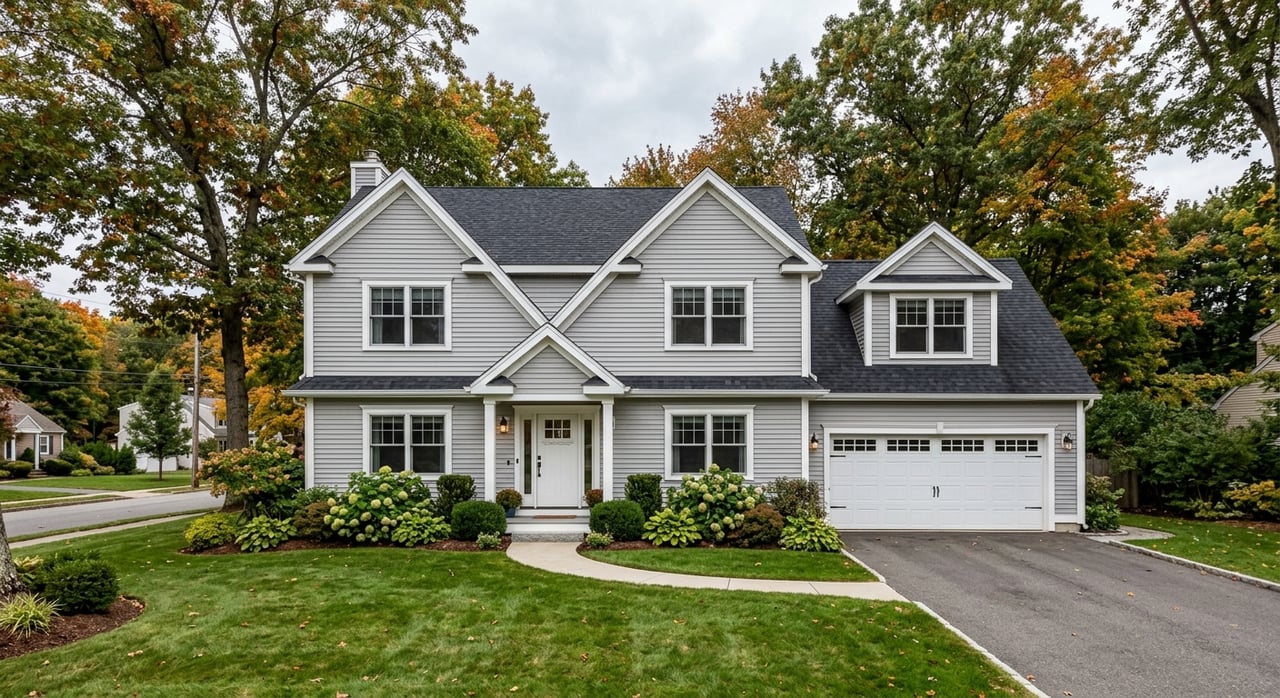
Colonial and Colonial Revival homes are among the most recognizable styles around Delmar. These houses often have a balanced, formal appearance with a centered front door, evenly spaced double-hung windows, and simple classical details around the entry or porch. If you like a home that feels traditional and orderly from the street, this style often stands out.
In Delmar, recent listings labeled Colonial have appeared on streets such as Herrick Avenue, North Westchester Drive, Adams Street, and Kenwood Avenue. You may also see newer homes that borrow the same traditional look. A center-hall colonial built in 2001 in Kenholm Gardens is one example of how this style continues to influence newer construction.
For buyers, Colonials often appeal because the layout can feel familiar and practical. For sellers, the style is widely recognized and easy for shoppers to picture themselves in. Even so, each home can vary in age, updates, and floor plan, so the style label is only the starting point.
Cape Cod Homes to Spot
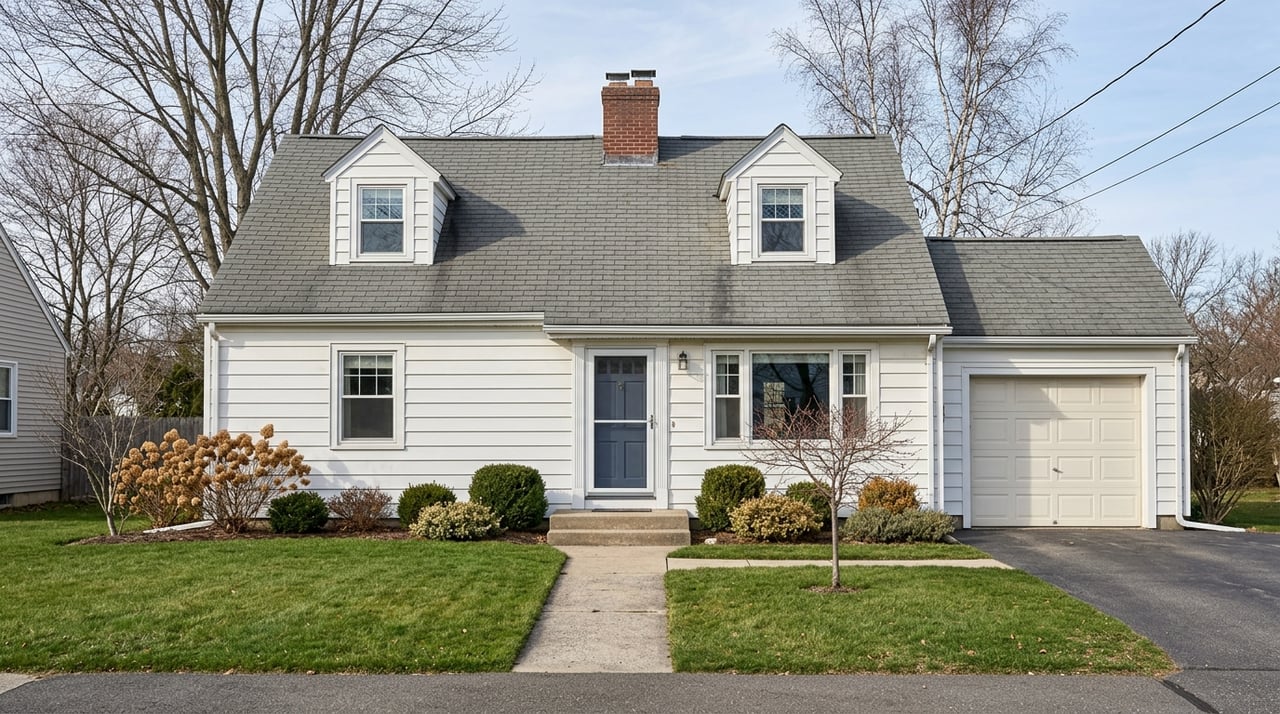
Cape Cod homes are another common sight in Delmar. These homes are usually one-and-a-half stories with a simple gable roof, a fairly symmetrical front, and dormers on some examples. They tend to look compact, efficient, and classic.
Recent Delmar listings labeled Cape Cod have appeared on Royal Boulevard, Elm Avenue, Brookman Avenue, and Murray Avenue. Some labels can reflect a hybrid, such as a home tagged as "Cape Cod, Custom." That is a good reminder that many homes have been expanded or modified over time.
If you are touring a Cape Cod, pay attention to the roofline, upper-level ceiling height, and any dormer additions. These details can affect both the look and the day-to-day feel of the house. A smaller footprint from the street does not always mean the home lives small inside.
Ranch Homes in Later Neighborhoods
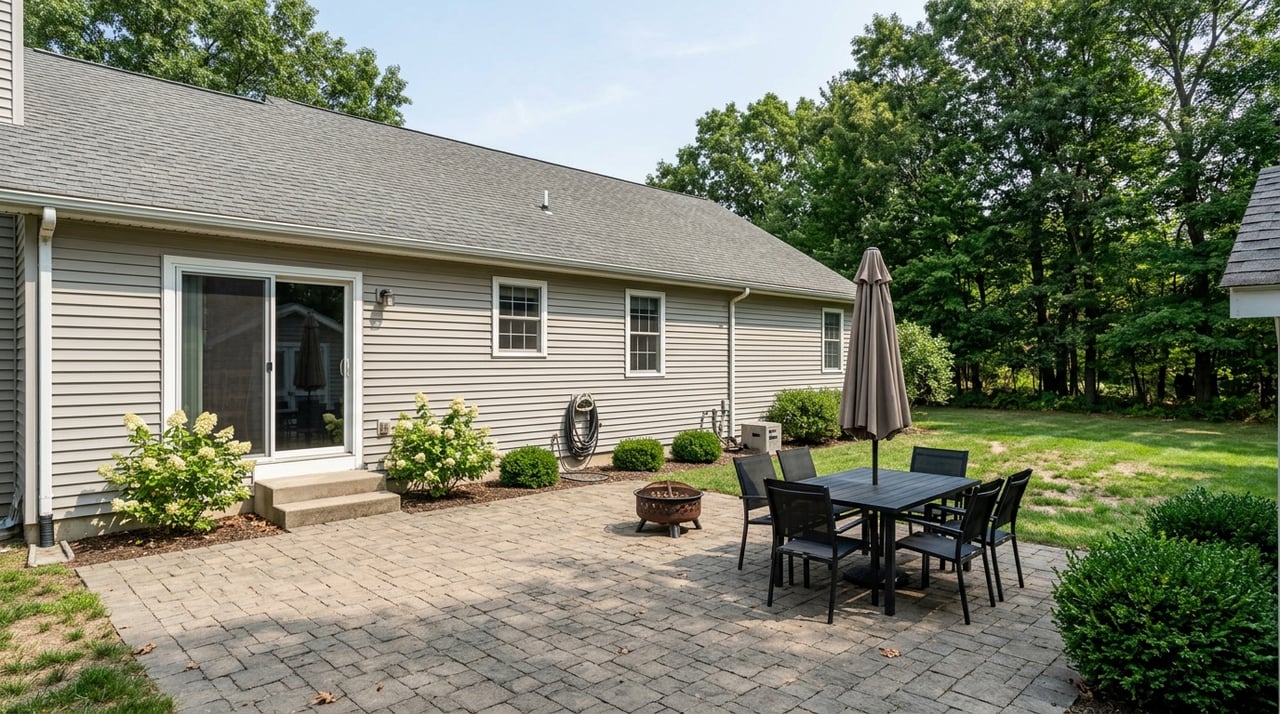
Ranch homes are a major part of Delmar’s postwar housing mix. This style is usually low and horizontal, often single-story or mostly single-story, with large picture windows, open living areas, patios, and attached garages on many homes. If you prefer fewer stairs and a more spread-out layout, ranches often catch your eye right away.
Recent Delmar listings labeled Ranch have appeared on Lyons Avenue, Kenwood Avenue, Feura Bush Road, and Woodlawn Terrace. These homes are often tied to the suburban development patterns that became popular in the 1950s through the 1970s. In many cases, they reflect the practical, car-oriented planning of that era.
Ranches can be especially appealing if you want easy main-level living. They also offer a very different visual feel from older Colonials or Cape Cods. Instead of vertical formality, they usually present a relaxed, grounded look from the street.
Bungalow and Craftsman Details
Bungalow and Craftsman-style homes add another layer to Delmar’s housing character. These homes typically feature low-pitched roofs, wide eaves, a noticeable front porch, and details that emphasize natural materials or handcrafted design. They often feel welcoming and visually distinctive without being oversized.
Recent Delmar listings labeled Bungalow have appeared on Euclid Avenue, Gardner Terrace, Delaware Avenue, and Orchard Street. In the older in-town parts of Delmar, these homes can help create a streetscape that feels more varied and historic. They are part of what gives the area visual texture.
When you walk through a bungalow, look closely at the porch, trim, and window proportions. Those details often do a lot of the style work. Even when updates have changed the interior, the exterior often still carries the home’s original personality.
Split-Level Homes and Mid-Century Layouts
Split-level homes became popular after World War II, and they remain easy to find in some parts of Delmar. These homes are defined by staggered floor levels, with living spaces on one level and bedrooms often on another. Garages are frequently set into the lower level.
Recent Delmar listings labeled split-level have appeared on Shetland Drive, Park Place, Longmeadow Drive, and Greenock Road. These homes are good examples of Delmar’s mid-century suburban layer. They often offer a practical separation of spaces that still appeals to many buyers today.
A split-level can feel very different from a ranch or colonial, even when the square footage is similar. The level changes shape how the home flows. If you are considering one, it helps to think about how you want living, sleeping, and entry spaces to connect.
Where Styles Tend to Cluster
If you want to see Delmar’s older housing layers, focus on the in-town core around Four Corners, Delaware Avenue, Kenwood Avenue, Adams Place, Elsmere Avenue, and nearby streets. Historic materials and current listings both point to this area as a place where prewar and early-suburban homes are easier to spot. Colonials, Cape Cods, and Bungalows are especially visible there.
Later neighborhoods and subdivisions often lean more toward ranches and split-levels. Streets such as Lyons Avenue, Woodlawn Terrace, Shetland Drive, Park Place, Longmeadow Drive, and Greenock Road show that postwar pattern clearly. This does not mean every house on every block fits one category, but the overall trend is easy to see.
Newer traditional homes also appear in the mix. Some later builds borrow older forms, especially colonial-inspired layouts and facades. That blend is part of what makes Delmar approachable for buyers with different style preferences.
How to Identify a Home Style
When you are browsing listings or driving through Delmar, it helps to use simple visual clues instead of relying only on a style label. Public records and listing descriptions can be helpful, but they do not always tell the whole story. Some houses are best understood as hybrids.
Here are a few easy things to look for:
- Number of stories
- Roof shape
- Dormers
- Front porch size and detail
- Window symmetry
- Garage placement
- Whether the home feels compact, horizontal, or vertically formal
The Town of Bethlehem assessor notes that style, age, and size are critical comparison factors. The town also makes property inventory and assessment data available through its online assessment resources. That can be helpful when you want to confirm a home’s year built or recorded style.
Why Style Matters When Buying or Selling
Home style affects more than curb appeal. It also shapes layout, maintenance expectations, renovation potential, and how a property fits into buyer expectations in a given part of Delmar. A buyer looking for main-level living may focus on ranch homes, while someone drawn to traditional symmetry may keep returning to colonials.
For sellers, understanding style helps you position your home clearly in the market. It can shape how your property is photographed, described, and compared against nearby homes. In a place like Delmar, where housing stock is layered and varied, accurate presentation matters.
That is one reason local context is so valuable. A home is not just a style on paper. It is also part of a street, a development pattern, and a broader Delmar story that buyers notice, even if they cannot always name it.
If you are trying to make sense of what you are seeing in Delmar, working with someone who knows the local housing mix can save time and reduce guesswork. With decades of experience in Delmar, Bethlehem, and the surrounding Capital Region, Paula Rice can help you read the market, understand how a home fits its setting, and move forward with confidence.
FAQs
What architectural home styles are most common in Delmar, NY?
- The styles most commonly seen around Delmar include Colonial or Colonial Revival, Cape Cod, Ranch, Bungalow or Craftsman, and Split-Level homes.
Where can you find older homes around Delmar?
- Older housing layers are easiest to see near Four Corners, Delaware Avenue, Kenwood Avenue, Adams Place, Elsmere Avenue, and nearby streets in the in-town core.
Where are ranch and split-level homes common in Delmar?
- Ranch and split-level homes are more common in later-developed neighborhoods, especially on streets associated with postwar growth such as Lyons Avenue, Woodlawn Terrace, Shetland Drive, Park Place, Longmeadow Drive, and Greenock Road.
Why do Delmar homes look so different from one area to another?
- Delmar developed in stages over time, from its 19th-century origins through prewar growth and later postwar suburban expansion, so different streets reflect different building periods.
How can you tell what style a house is in Delmar?
- Start with visual clues like the number of stories, roof shape, dormers, porch details, symmetry, garage placement, and whether the home looks compact, horizontal, or vertically formal.
Why do listing style labels sometimes seem inconsistent?
- Style labels are often shorthand, and some homes have been expanded or updated over time, so a house may present as a hybrid even if a listing uses a single style tag.